Women's Wellness Education

What Gelatin Has to Do With Women's Changing Nutrition Needs

Collagen production naturally shifts over time, and many women are revisiting how traditional ingredients like gelatin fit into everyday meals. This short video explores the topic from a nutritional and historical perspective.

Women's Wellness  ·  Natural Habits  ·  Educational Content  ·  Traditional Nutrition

How a Woman's Body Changes Over Time

Several physiological shifts occur gradually across a woman’s life and are frequently discussed in nutrition education. Here are four commonly referenced areas.

Collagen Production

Collagen synthesis naturally slows with age, which is one reason some women look into dietary sources such as gelatin as part of a broader nutritional conversation.

Satiety Signals

Hunger and fullness cues can shift over the years, which has prompted interest in how protein-rich foods are structured within daily meals.

Lean Body Composition

Maintaining lean mass becomes a more frequent topic of discussion as metabolism and activity patterns evolve over time.

Traditional Dietary Patterns

Many conventional diet approaches were not originally designed around the specific nutritional needs women experience at different life stages.

Metabolism: Myths and Facts

There is a great deal of information about metabolism and weight circulating online. Below are a few commonly repeated claims compared with more nuanced context.

MYTH

Metabolism slows down dramatically overnight for every woman.

FACT

Metabolic changes tend to occur gradually and vary significantly between individuals.

MYTH

Cutting calories drastically is the only approach discussed in nutrition science.

FACT

Many nutrition educators emphasize balanced intake, protein quality, and consistency over extreme restriction.

MYTH

Collagen and gelatin are trendy ingredients with no traditional use.

FACT

Gelatin has been used in home cooking for generations, long before it became a wellness topic.

A Simple Educational Framework

This is not a program or protocol — just a way to think about how ingredients like gelatin are typically discussed in nutrition content.

01

Step 1 — Learn the Basics

Understand what gelatin is, where it comes from, and how it differs from collagen peptides.

02

Step 2 — Look at Traditional Use

Consider how gelatin has historically appeared in home kitchens across different cultures.

03

Step 3 — Reflect on Everyday Habits

Think about how small, consistent habits are usually discussed in general wellness education, rather than searching for shortcuts.

A Culinary Tradition Rediscovered

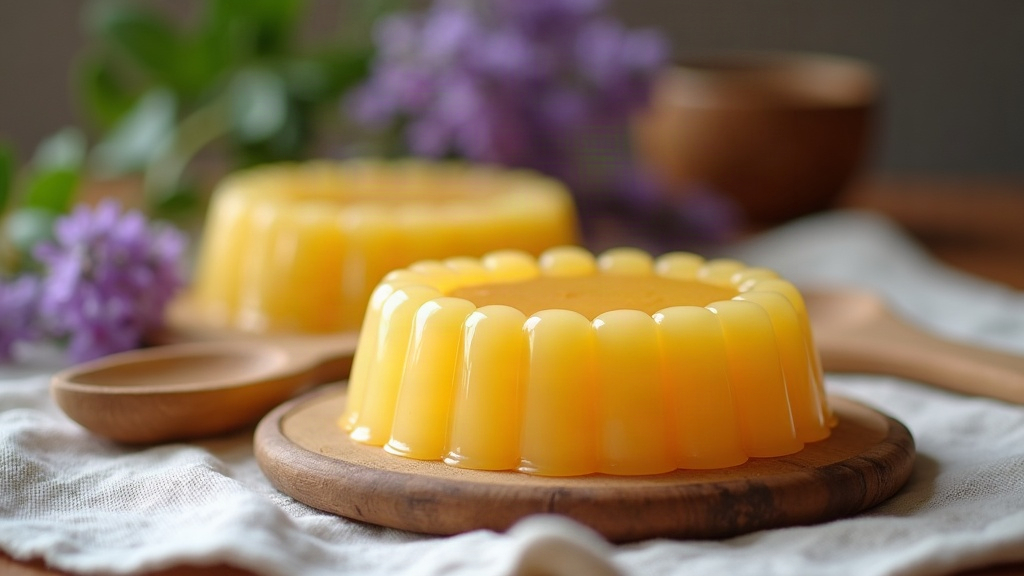
Gelatin has been part of home cooking for generations, derived from simmering collagen-rich ingredients such as bones and connective tissue for extended periods. Long before it became associated with wellness routines, it was simply a kitchen staple used to make broths, aspics, and desserts across many cultures.

Many nutrition educators point out that some of today’s most discussed ingredients are simply traditional foods that fell out of everyday use.

Common Topics Women Bring Up With Their Doctors

Changes in Hunger Patterns

Some women report noticing shifts in how often they feel hungry throughout the day.

Skin Texture Changes

Skin elasticity is frequently mentioned in conversations about collagen.

Joint Comfort

Joint-related topics often come up alongside discussions of connective tissue health.

Weight Fluctuations

Weight can fluctuate for many reasons, and tracking patterns is commonly recommended by health professionals.

Energy Levels

Everyday energy levels are a frequent topic in general wellness check-ins.

Nail Strength

Some women bring up nail brittleness when discussing protein intake with a healthcare provider.

What Women Are Saying

I started paying more attention to how gelatin was used in my grandmother's recipes. It's been an interesting shift in how I think about my meals.

Renata M.
Illustrative account
Learning about collagen and traditional ingredients gave me a new perspective on everyday cooking.
Isabel T.
Illustrative account
This wasn't about a quick fix — it helped me understand my body's changes a little better.
Camila F.
Illustrative account

Testimonials reflect individual opinions and experiences. Individual results may vary, and these statements are not intended as claims of typical results.

Frequently Asked Questions

Gelatin is a protein derived from collagen, typically obtained through the processing of connective tissue and bones.

Hydrolyzed gelatin refers to gelatin that has been broken down into smaller peptide chains, which some people find easier to incorporate into liquids or recipes.

Gelatin is derived from collagen through a cooking process, so while related, the two are processed differently.

No. This video is educational content discussing nutrition topics and traditional ingredients, not a diet or treatment program.

No. This content does not make weight loss or health outcome claims. It is intended for general educational purposes only.

Gelatin has long been used in various culinary traditions worldwide, often derived from simmered animal bones and connective tissue.

Yes. Always consult a qualified healthcare professional before making changes to your diet or nutritional routine.

Curious About the Full Picture?

Watch the short video to learn more about how gelatin fits into conversations about women’s nutrition and traditional eating habits.

Advertising Disclosure: This page contains sponsored content and affiliate links. We may receive compensation if you make a purchase through the links provided on this page. This helps support our content at no additional cost to you.

Content Disclaimer: The content on this page is for educational and informational purposes only. It has not been evaluated by the Food and Drug Administration (FDA). This information is not intended to diagnose, treat, cure, or prevent any disease. Always consult a qualified healthcare professional before making changes to your diet, exercise, or wellness routine.

Results Disclaimer: Individual results may vary. The testimonials shared on this page reflect personal opinions and experiences and are not a guarantee of similar outcomes for every individual.

© 2026 caneladrywalls.com · All Rights Reserved · Contact